-
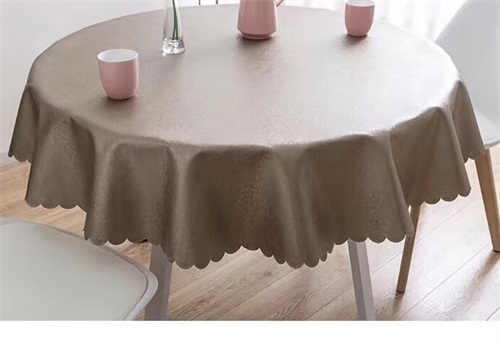
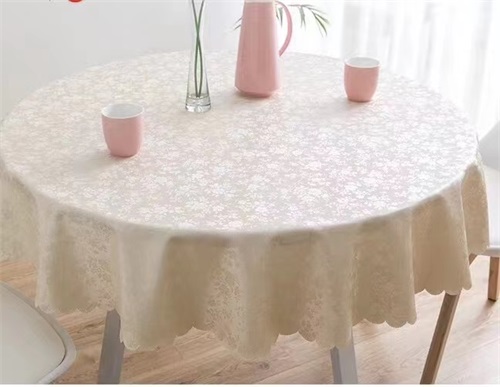
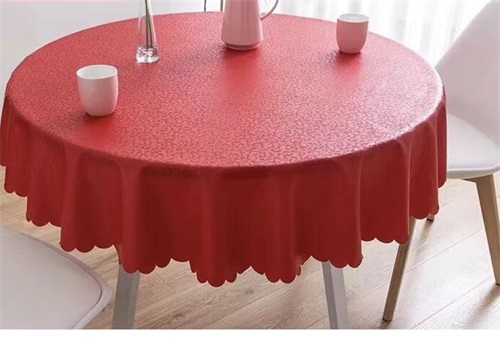
主打產(chǎn)品——臺布、椅子套、桌布、餐桌用品等一系列酒店專用
愛德信經(jīng)典詮釋優(yōu)雅,共贏未來
熱線電話:
0531-85821210

主打產(chǎn)品——臺布、椅子套、桌布、餐桌用品等一系列酒店專用
愛德信經(jīng)典詮釋優(yōu)雅,共贏未來
熱線電話:
0531-85821210
酒店布草的清洗質(zhì)量被廣泛關(guān)注
時間:2025-10-31 來源:http://www.cngic.com.cn/
因為“枕套事件”,亞朵酒店最近遭遇了前所未有的公關(guān)危機。而在今年一季度,亞朵已經(jīng)三度因為衛(wèi)生問題引發(fā)關(guān)注,其中一次就是因為床品疑似引起用戶過敏遭到了曝光。
Due to the 'pillowcase incident', the Ato Hotel has recently encountered an unprecedented public relations crisis. In the first quarter of this year, Yaduo has attracted attention three times due to hygiene issues, one of which was exposed for suspected user allergies caused by bedding products.
作為連鎖酒店明星品牌,亞朵近兩年發(fā)展迅速,2024年旗下“明星產(chǎn)品”深睡記憶枕銷量超380萬只,其門店數(shù)量也將在今年越來越接近2000家的目標。但如今卻因為床品衛(wèi)生問題“翻車”,無疑為公眾揭開了酒店行業(yè)布草供應鏈背后“隱秘的一角”。
As a star brand in chain hotels, Ato has developed rapidly in the past two years. In 2024, its "star product" deep sleep memory pillows sold over 3.8 million units, and its store count is expected to approach its target of 2000 stores this year. But now, due to hygiene issues with bedding, it has undoubtedly revealed a "hidden corner" behind the hotel industry's linen supply chain to the public.
布草供應“涇渭分明”
The supply of linen is clearly divided between the Wei River and the Wei River
什么是酒店布草?簡單來說就是酒店里可以重復使用的紡織品,主要用于客房和餐飲等區(qū)域。其中床單、被套、枕套這類床上用品,以及毛巾、浴巾、地巾等衛(wèi)浴用紡織品稱為客房布草,桌布、餐巾、臺布等餐廳里使用的紡織品,則稱為餐飲布草。
What is hotel linens? Simply put, it refers to textiles that can be reused in hotels, mainly used in guest rooms and dining areas. Beddings such as bed sheets, duvet covers, pillowcases, as well as bathroom textiles such as towels, bath towels, and floor towels, are called guest room linens. Textiles used in restaurants such as tablecloths, napkins, and tablecloths are called dining linens.
作為實體服務行業(yè),酒店布草的采購渠道并不復雜,除每年定期舉辦的各類線下展會外,線上平臺也為不同星級的酒店提供了對接全國供應商的有效渠道。
As a physical service industry, the procurement channels for hotel linens are not complicated. In addition to various offline exhibitions held regularly every year, online platforms also provide effective channels for hotels of different star ratings to connect with suppliers across the country.
在1688、京東工業(yè)品等電商采購平臺,輸入“酒店布草”就可以找到上萬家供應商的報價和聯(lián)系方式。如果仔細觀察會發(fā)現(xiàn),線上供應商中有很大一部分供應商來自浙江柯橋的絲綢工坊、南通疊石橋的家紡產(chǎn)業(yè)集群。此外,還有來自全國各地的小型加工廠,通過線上平臺和其他核心供應商們一起將碎片化的資源編織成龐大的布草供應網(wǎng)絡(luò)。
On e-commerce procurement platforms such as 1688 and JD Industrial Products, entering "hotel linen" can find quotes and contact information for tens of thousands of suppliers. If you observe carefully, you will find that a large number of online suppliers come from silk workshops in Keqiao, Zhejiang and home textile industry clusters in Dieshiqiao, Nantong. In addition, there are small processing plants from all over the country that weave fragmented resources into a huge linen supply network through online platforms and other core suppliers.
除了采購渠道的區(qū)別,不同等級的酒店在供應商選擇和成本預算方面,也存在很大的差異。公開資料顯示,洲際、萬豪等高端酒店集團,對供應商的考察和篩選十分細致,采購清單堪稱“嚴苛教科書”:不僅要求床上用品獲得OEKO-TEXStandard100環(huán)保認證,證明產(chǎn)品不含有害物質(zhì),還會派遣專業(yè)團隊實地考察工廠,從生產(chǎn)車間的溫濕度控制、原材料倉儲條件,到員工培訓體系、質(zhì)檢流程,每個細節(jié)都不放過。
In addition to differences in procurement channels, hotels of different levels also have significant differences in supplier selection and cost budgeting. According to publicly available information, high-end hotel groups such as InterContinental and Marriott carefully inspect and screen suppliers, and their procurement lists can be considered as "strict textbooks": they not only require bedding to obtain OEKO-TEX Standard 100 environmental certification to prove that the products do not contain harmful substances, but also dispatch professional teams to conduct on-site inspections of factories, from temperature and humidity control in production workshops, raw material storage conditions, to employee training systems and quality inspection processes, every detail is not overlooked.
此外,結(jié)合部分供貨商公開發(fā)布的供貨清單和價格明細也可以看出,高端酒店采購的床品大多采用60支以上長絨棉、埃及棉或者絲綢材質(zhì)。有些供貨商也會直接明確標注,供貨給高端酒店的被套、床單等床品材質(zhì)使用100%長絨棉,或是“克重達到350gsm”等參數(shù),以此凸顯自身的產(chǎn)品品質(zhì)。
In addition, based on the supply lists and price details publicly released by some suppliers, it can be seen that most of the bedding purchased by high-end hotels is made of 60 or more long staple cotton, Egyptian cotton, or silk materials. Some suppliers also directly indicate that the bedding materials such as duvet covers and bed sheets supplied to high-end hotels are made of 100% long staple cotton or have parameters such as "weight reaching 350gsm", in order to highlight their product quality.
因為有高檔酒店的“嚴選”背書,一些床品供應商也借助“五星級酒店同款床品”“高檔酒店床品平替”等概念,在社交媒體打出了不錯的知名度。
Due to the endorsement of "strict selection" by high-end hotels, some bedding suppliers have also gained good popularity on social media by leveraging concepts such as "same bedding for five-star hotels" and "high-end hotel bedding replacement".
例如在小紅書平臺上,“金可兒床墊”話題瀏覽量超過3500萬,相關(guān)的筆記數(shù)量超過5萬篇,并且不少筆記中都提到“世貿(mào)洲際酒店同款”等關(guān)鍵詞。而紡織品品牌康爾馨的小紅書官方賬號,則直接用短視頻展示了自己與著名酒店集團之間的合作關(guān)系,同時“康爾馨羽絨枕頭推薦”相關(guān)的筆記也超過了2萬篇。
For example, on the Xiaohongshu platform, the topic of "Jinkeer Mattress" has over 35 million views, with more than 50000 related notes, and many notes mention keywords such as "same as World Trade Intercontinental Hotel". The official account of textile brand Kangerxin on Xiaohongshu directly showcased its partnership with a famous hotel group through short videos, and there were also over 20000 notes related to "Kangerxin Down Pillow Recommendation".
對比擁有高檔酒店背書的高品質(zhì)布草產(chǎn)品,經(jīng)濟型酒店在采購布草時由于房價相對低廉,需要更多考慮到成本控制的目的。因此,經(jīng)濟型酒店除了選擇中低端品質(zhì)布草,也會通過集中采購、簽訂長期協(xié)議鎖定低價供應商,采用“基礎(chǔ)款+定制LOGO”的標準化方案構(gòu)建自身的定制化供應鏈。
Compared to high-quality linen products endorsed by high-end hotels, economy hotels need to consider cost control more when purchasing linen due to relatively low room rates. Therefore, economy hotels not only choose mid to low quality linens, but also lock in low-priced suppliers through centralized procurement and long-term agreements, and adopt a standardized solution of "basic style+customized logo" to build their own customized supply chain.
各具差異化的采購方案,使得酒店布草市場形成了涇渭分明的消費層級,也為質(zhì)量管控埋下隱患。
Differentiated procurement plans have created distinct consumer tiers in the hotel linen market, and have also laid hidden dangers for quality control.
成本困局:品質(zhì)與利潤的零和博弈
Cost Dilemma: Zero Sum Game of Quality and Profit
在酒店行業(yè)流傳著一句箴言:每降低1%的布草成本,客戶投訴率就會上升0.3%。雖然不知道如此精確的數(shù)字出自哪里,但這句話本身卻道出了酒店行業(yè)在平衡成本控制與入住體驗時的兩難處境。
There is a saying in the hotel industry: for every 1% reduction in linen costs, the customer complaint rate will increase by 0.3%. Although it is unclear where such precise numbers come from, this statement itself highlights the dilemma faced by the hotel industry in balancing cost control and stay experience.
驚蟄研究所在1688平臺隨機進入一家店鋪,選擇不同等級的四件套產(chǎn)品進行對比發(fā)現(xiàn),1.5米規(guī)格、40支的“快捷酒店”床品四件套價格為142元(1000套起售),而相同規(guī)格、60支的“超五星酒店”床品四件套價格為185元(1000套起售),較前者價格高出30%。
The Jingzhe Research Institute randomly entered a store on the 1688 platform and selected four piece sets of products of different levels for comparison. It was found that the four piece set of "Quick Hotel" bedding with a 1.5-meter specification and 40 pieces was priced at 142 yuan (starting from 1000 sets), while the four piece set of "Super Five Star Hotel" bedding with the same specification and 60 pieces was priced at 185 yuan (starting from 1000 sets), which was 30% higher than the former.
除了各類布草的購置費用外,日常的清洗、加工、耗損等費用也在成本范圍內(nèi)。亞朵“枕套事件”發(fā)生后,每日經(jīng)濟新聞在一篇報道中提到,一位從業(yè)十余年酒店總經(jīng)理介紹印象中,自2018年以來,布草洗滌行業(yè)的報價就維持在每套6元多,不同星級酒店的要求不同,價格可能略有差異,但多年來基本沒有太多明顯變化。
In addition to the purchase cost of various types of linens, daily cleaning, processing, and wear and tear expenses are also within the cost range. After the Yaduo pillowcase incident, the Daily Economic News mentioned in a report that a hotel general manager who has been in the industry for more than ten years had an impression that since 2018, the price of the linen washing industry has remained at more than 6 yuan per set. Different star rated hotels have different requirements, and the price may vary slightly, but there has not been much significant change over the years.
而華住集團2024年的財務數(shù)據(jù)顯示,其全年凈利潤為30.5億元,截至2024年末,華住集團在中國內(nèi)地的在營酒店客房數(shù)量為1062329間。以一年365天計算,華住集團2024年平均每天每間客房的凈利潤約為8.09元。相比之下,每套6元的布草清洗成本,也成為一筆不可忽視的負擔。
According to the financial data of Huazhu Group in 2024, its annual net profit was 3.05 billion yuan. As of the end of 2024, Huazhu Group had 1062329 operating hotel rooms in mainland China. Calculated based on 365 days a year, Huazhu Group's average net profit per room per day in 2024 is approximately 8.09 yuan. In contrast, the cost of cleaning linen at 6 yuan per set has become an undeniable burden.
在國內(nèi)市場已經(jīng)頗具規(guī)模的華住集團尚且如此,其他民宿和規(guī)模還不夠大的經(jīng)濟型連鎖酒店,自然要面臨更大的成本壓力,更何況當下的酒店行業(yè)還處于利潤下降的趨勢中。《中研產(chǎn)業(yè)研究院》的資料顯示,2024年酒店業(yè)平均利潤率降到了12%,比2019年下降了3個百分點。在這種經(jīng)營壓力下,降低成本的目標自然放在了可以投機取巧的布草成本上。
Even Huazhu Group, which has already established a considerable scale in the domestic market, is facing greater cost pressure for other homestays and economy chain hotels that are not yet large enough, let alone the current trend of declining profits in the hotel industry. According to data from the China Research Institute of Industry, the average profit margin of the hotel industry dropped to 12% in 2024, a decrease of 3 percentage points from 2019. Under this business pressure, the goal of reducing costs naturally shifted to the cost of linen that could be taken advantage of.
而當行業(yè)正陷入成本壓縮怪圈后,為了能在激烈的競爭中存活,部分酒店只能繼續(xù)壓縮清洗環(huán)節(jié)的利潤。南方都市報此前針對亞朵酒店事件的報道中就提到,“某些地區(qū)布草洗滌單價低至不足2元/公斤,而正常的成本是3-5元/公斤。”為了保證利潤,工廠只能減少消毒工序,使用工業(yè)燒堿代替專業(yè)洗滌劑,甚至在漂洗環(huán)節(jié)偷工減料。這些違規(guī)操作不僅會加速布草老化,更嚴重威脅消費者健康。
And when the industry is caught in a vicious cycle of cost compression, in order to survive in fierce competition, some hotels can only continue to compress the profits of the cleaning process. In a previous report on the Yaduo Hotel incident by Southern Metropolis Daily, it was mentioned that "in some areas, the unit price of linen washing is as low as less than 2 yuan/kg, while the normal cost is 3-5 yuan/kg." In order to ensure profits, the factory can only reduce the disinfection process, use industrial caustic soda instead of professional detergents, and even cut corners in the washing process. These illegal operations not only accelerate the aging of linens, but also pose a serious threat to consumer health.
某種程度上來說,亞朵的“枕套事件”只是布草供應鏈行業(yè)各種風險和隱患的冰山一角,洗滌廠將不同酒店、不同用途的布草混洗,并且未嚴格執(zhí)行消毒流程等違規(guī)操作,是酒店與洗滌商陷入價格戰(zhàn)的必然結(jié)果,也是供應鏈監(jiān)管缺失的系統(tǒng)性風險。
To some extent, Ado's "pillowcase incident" is just the tip of the iceberg of various risks and hidden dangers in the linen supply chain industry. Laundry factories mix and wash different types of linen from different hotels and purposes, and do not strictly follow disinfection procedures and other illegal operations, which is the inevitable result of the price war between hotels and washing merchants, and also a systemic risk of supply chain supervision deficiency.
而在亞朵“枕套事件”之前,布草供應鏈的風險也有所顯現(xiàn):近幾年,社交媒體上類似“酒店布草有異味”“枕套泛黃”一類的用戶吐槽屢見不鮮,南方都市報的相關(guān)報道中也提到,“僅2023年,酒店布草相關(guān)衛(wèi)生投訴量同比增加23%”。
Before the Yaduo "pillowcase incident", the risks of the linen supply chain also appeared: in recent years, users like "hotel linen smells" and "pillowcase yellows" on social media are not uncommon, and relevant reports in Southern Metropolis Daily also mentioned that "only in 2023, hotel linen related health complaints will increase by 23% year on year".
更早之前,央視財經(jīng)頻道在2014年就曝光過第三方洗滌企業(yè)將酒店毛巾和地巾一起混洗,以及省去高溫清洗環(huán)節(jié),采用廉價洗滌材料等行業(yè)亂象。10年之后的今天,亂象依然存在。這也從側(cè)面說明了,市場環(huán)境只是迫使布草供應鏈企業(yè)踐踏道德底線和法律紅線的催化劑,行業(yè)標準缺失導致的監(jiān)管“真空”才是一切問題的根源。而酒店為了利潤率一味壓縮洗滌費用的最終結(jié)果,必然是布草質(zhì)量難以得到保障,造成自身入住率和口碑的雙重塌房。
Earlier, in 2014, CCTV Finance Channel exposed the chaos of third-party washing companies mixing hotel towels and floor towels together, as well as eliminating the high-temperature cleaning process and using cheap washing materials in the industry. Ten years later today, chaos still exists. This also indirectly illustrates that the market environment is only a catalyst that forces linen supply chain enterprises to trample on moral and legal red lines, and the regulatory "vacuum" caused by the lack of industry standards is the root cause of all problems. The ultimate result of hotels blindly compressing washing costs for profit margins is inevitably that the quality of linens cannot be guaranteed, resulting in a double collapse of their occupancy rate and reputation.
如何重建信任?
How to rebuild trust?
酒店布草供應鏈的混亂,歸根結(jié)底是因為供應鏈采購與終端服務的脫節(jié)。盡管行業(yè)頭部供應商能夠提供保質(zhì)保量的服務,但經(jīng)濟型酒店無法負擔其成本,于是這部分“精準需求”轉(zhuǎn)移到了小作坊式工廠的手里。而消費者在住店過程中,通常很難分辨和察覺到不同品質(zhì)的布草之間存在的差距,因而讓經(jīng)濟型酒店能夠大膽選擇劣質(zhì)供應商的服務。
The chaos in the hotel linen supply chain ultimately stems from the disconnect between supply chain procurement and terminal services. Although top suppliers in the industry can provide quality and quantity services, budget hotels cannot afford their costs, so this "precise demand" has been transferred to small workshop style factories. Consumers often find it difficult to distinguish and perceive the differences between different qualities of linens during their stay, which allows budget hotels to boldly choose services from inferior suppliers.
排除酒店為節(jié)省成本忽視布草供應安全的主觀因素,在酒店布草采購環(huán)節(jié),行業(yè)缺乏統(tǒng)一的資質(zhì)認證體系,也使得酒店在篩選供應商時困難重重。大部分酒店只能審核供應商經(jīng)營許可證、稅務登記證、衛(wèi)生許可證等基礎(chǔ)證件,合作后也多以抽查的方式保障布草供應質(zhì)量,但抽查行為本身又會增加額外的成本,這就導致酒店難以真正監(jiān)管布草質(zhì)量。
Excluding the subjective factor of hotels neglecting the safety of linen supply in order to save costs, the lack of a unified qualification certification system in the hotel linen procurement process also makes it difficult for hotels to screen suppliers. Most hotels can only review basic documents such as supplier business licenses, tax registration certificates, and hygiene permits. After cooperation, they often use spot checks to ensure the quality of linen supply. However, spot checks themselves increase additional costs, making it difficult for hotels to truly monitor linen quality.
布草從洗滌工廠運往酒店的物流環(huán)節(jié),也是整個供應鏈中衛(wèi)生防控較為薄弱的部分。在運輸包裝方面,目前市場上也缺乏統(tǒng)一的規(guī)范標準。運輸過程中,布草未使用獨立密封包裝,多批次混裝現(xiàn)象常見,這使得布草在運輸時容易受到二次污染。
The logistics link of transporting linen from the washing factory to the hotel is also a relatively weak part of hygiene prevention and control in the entire supply chain. In terms of transportation packaging, there is currently a lack of unified regulatory standards in the market. During transportation, the linen is not individually sealed and packaged, and it is common to mix multiple batches, which makes the linen susceptible to secondary pollution during transportation.
運輸工具的清潔與管理上存在著諸多問題,很多負責布草運輸?shù)能囕v缺乏定期深度清潔與消毒流程,只是簡單清掃,在車輛使用安排也很隨意,常出現(xiàn)剛運輸完臟布草,未作徹底清潔就接著運輸干凈布草的情況。
There are many problems with the cleaning and management of transportation vehicles. Many vehicles responsible for transporting linen lack regular deep cleaning and disinfection processes, only simple cleaning, and the arrangement of vehicle use is also very casual. It is common to transport dirty linen without thorough cleaning before continuing to transport clean linen.
不僅如此,監(jiān)控手段也相對落后,大多數(shù)布草運輸?shù)幕拘畔Ⅻc,比如貨物數(shù)量、收發(fā)時間和地點等仍然依賴人工記錄,難以實現(xiàn)對運輸全程的實時監(jiān)控。雖然有部分頭部酒店集團嘗試在物流環(huán)節(jié)部署溫濕度傳感器等設(shè)備,但這在整個行業(yè)中并未普及,多數(shù)企業(yè)難以做到對運輸過程中布草的衛(wèi)生狀況、保存環(huán)境進行有效追溯與管理。
Moreover, the monitoring methods are relatively backward, and most of the basic information points of linen transportation, such as the quantity of goods, sending and receiving time, and location, still rely on manual recording, making it difficult to achieve real-time monitoring of the entire transportation process. Although some leading hotel groups have attempted to deploy temperature and humidity sensors and other equipment in the logistics process, this has not been widely adopted in the entire industry, and most companies find it difficult to effectively trace and manage the hygiene status and storage environment of linens during transportation.
從行業(yè)角度來看,破解布草供應鏈困局的關(guān)鍵在于整個行業(yè)需要一次協(xié)同變革。
From an industry perspective, the key to solving the dilemma of the linen supply chain lies in the need for a collaborative transformation of the entire industry.
對于行業(yè)缺乏統(tǒng)一資質(zhì)認證體系的問題,國外酒店會自行建立“供應商星級認證體系”,這一套體系里涵蓋材質(zhì)檢測、生產(chǎn)工藝、環(huán)保標準的多維評估機制,可以對供應商實行有效的淘汰和篩選機制。
For the lack of a unified qualification certification system in the industry, foreign hotels will establish their own "Supplier Star Certification System", which includes a multidimensional evaluation mechanism covering material testing, production processes, and environmental standards. This system can effectively eliminate and screen suppliers.
在洗滌環(huán)節(jié),也可以通過引入物聯(lián)網(wǎng)技術(shù),為每件布草植入RFID芯片,實現(xiàn)從清洗、消毒到配送的全流程溯源,避免因為人工原因?qū)е碌牟疾莘謷铄e。第一財經(jīng)曾做過測算,一家擁有100間客房的經(jīng)濟型酒店采用RFID芯片的整體成本大約在8000元左右,這對于大多數(shù)正常經(jīng)營的酒店都是一個可接受的范圍。另外,物流環(huán)節(jié)還可以采用具有溫控功能的密封運輸箱,配合GPS定位與實時監(jiān)控系統(tǒng),有效解決交叉污染的問題。
In the washing process, the introduction of IoT technology can also be used to implant RFID chips into each piece of linen, achieving full traceability from cleaning, disinfection to distribution, and avoiding sorting errors caused by manual reasons. First Financial has calculated that the overall cost of using RFID chips in an economy hotel with 100 rooms is approximately 8000 yuan, which is an acceptable range for most hotels operating normally. In addition, the logistics process can also use sealed transport boxes with temperature control functions, combined with GPS positioning and real-time monitoring systems, to effectively solve the problem of cross contamination.
當然,所有圍繞服務質(zhì)量進行的變革,最終都將引發(fā)成本的上升。但這并不意味著連鎖酒店行業(yè)將進入單純的成本內(nèi)卷。
Of course, all changes around service quality will ultimately lead to an increase in costs. But this does not mean that the chain hotel industry will enter a simple cost internalization.
從亞朵“枕套事件”發(fā)酵的結(jié)果來看,酒店行業(yè)布草供應鏈的“隱秘角落”,已然暴露在陽光之下。而由布草供應鏈引發(fā)的輿論關(guān)注,是酒店行業(yè)的集體危機,也可以是個別品牌的突圍之路。
From the fermentation of the "pillowcase incident" in Yaduo, it can be seen that the "hidden corners" of the hotel industry's linen supply chain have been exposed to the sun. The public attention triggered by the linen supply chain is a collective crisis in the hotel industry, and it can also be a breakthrough path for individual brands.
“經(jīng)濟型”的定位,不代表服務品質(zhì)就可以下探到人性和道德的底線。當消費者對住宿品質(zhì)的要求日益提升,酒店布草已不再是簡單的耗材,而是品牌體驗的重要載體。在社交媒體上,當大量網(wǎng)友開始關(guān)注“星級酒店同款床品”時,酒店應當看到用戶群體的需求升級,通過優(yōu)化供應鏈的整體效率,為消費者提供真正的安心與舒適。這不僅是商業(yè)效率的優(yōu)化,更是服務業(yè)回歸本質(zhì)的必然之路。
The positioning of "economic" does not mean that service quality can reach the bottom line of humanity and morality. As consumers' demands for accommodation quality continue to rise, hotel linens are no longer just consumables, but an important carrier of brand experience. On social media, when a large number of netizens begin to pay attention to the "same bedding as star rated hotels", hotels should see the upgrading of user demand and optimize the overall efficiency of the supply chain to provide consumers with true peace of mind and comfort. This is not only the optimization of business efficiency, but also the inevitable path for the service industry to return to its essence.
本文由 酒店布草 友情奉獻.更多有關(guān)的知識請點擊 http://www.cngic.com.cn/ 真誠的態(tài)度.為您提供為全面的服務.更多有關(guān)的知識我們將會陸續(xù)向大家奉獻.敬請期待.
This article is a friendly contribution from the hotel linen For more related knowledge, please click http://www.cngic.com.cn/ Sincere attitude To provide you with comprehensive services We will gradually contribute more relevant knowledge to everyone Coming soon.
資訊推薦Information
聯(lián)系我們Information


生產(chǎn)酒店布草為主,生產(chǎn)臺布、椅子套、桌布、床尾巾,餐具用品為輔
電話:0531-85821210
QQ郵箱:1669684763@qq.com
聯(lián)系人:王經(jīng)理
電話:13006572145 13518618363
地址:濟南市天橋區(qū)鳳凰山路一號院內(nèi)
截屏,微信識別二維碼
微信號:13006572145 13518618363
 您當前位置: