-
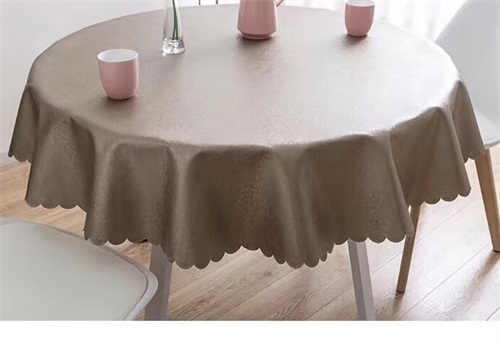
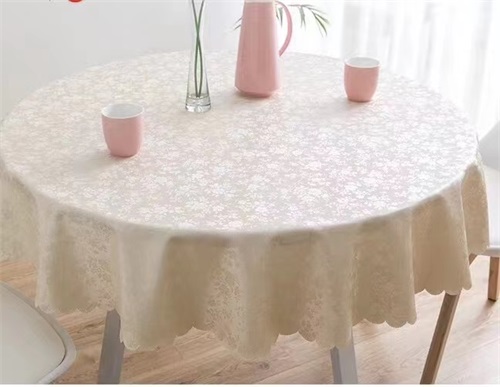
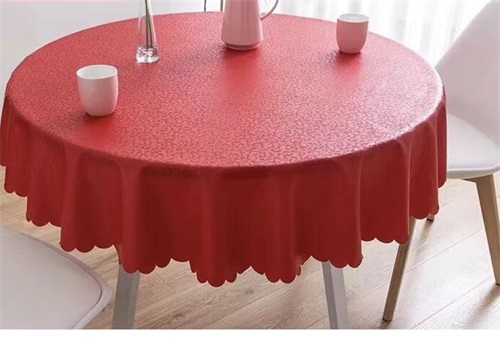
主打產(chǎn)品——臺布、椅子套、桌布、餐桌用品等一系列酒店專用
愛德信經(jīng)典詮釋優(yōu)雅,共贏未來
熱線電話:
0531-85821210

主打產(chǎn)品——臺布、椅子套、桌布、餐桌用品等一系列酒店專用
愛德信經(jīng)典詮釋優(yōu)雅,共贏未來
熱線電話:
0531-85821210
耐洗幾百次!濟南酒店布草,為啥比家里家紡更耐用好睡?
時間:2026-02-05 來源:http://www.cngic.com.cn/
耐洗幾百次!濟南酒店布草,為啥比家里家紡更耐用好睡?
Washable hundreds of times! Why is Jinan hotel linen more durable and slept better than home textiles?
住酒店時,不少人會疑惑:床單被套為啥叫“布草”?這名字聽起來和布料不沾邊,難不成和潮州方言有關(guān)?其實“布草”并非方言,而是源于英文“l(fā)inen”(亞麻織物,后泛指織物用品)的音譯演變,而且它不單單指床品,濟南酒店里所有布藝用品——床單、被套、枕套、毛巾、浴巾、浴袍,全都歸為布草。它之所以能成為酒店標配,核心是夠“皮實”,能扛住工業(yè)化洗滌的“地獄模式”,和家用家紡比起來,藏著太多差異,今天就結(jié)合濟南本地市場數(shù)據(jù),跟大伙嘮透濟南酒店布草的門道。
When staying in a hotel, many people may wonder: why are bed sheets and duvet covers called "linens"? Does this name sound unrelated to fabric and possibly related to Chaozhou dialect? In fact, 'linen' is not a dialect, but a transliteration of the English word 'linen' (linen fabric, later referring to textile products). Moreover, it does not only refer to bedding, all fabric products in Jinan hotels - bed sheets, duvet covers, pillowcases, towels, bath towels, bathrobes - are classified as linen. The core reason why it can become a standard configuration in hotels is that it is "sturdy" enough to withstand the "hell mode" of industrial washing. Compared with home textiles, there are too many differences hidden. Today, based on local market data in Jinan, I will talk to everyone about the tricks of Jinan hotel linen.
濟南酒店布草的第一硬實力,是極致耐用,扛造能力遠超家用家紡。酒店布草每天要經(jīng)歷高溫洗滌(60-80℃)、強力脫水、高溫烘干、熨燙定型的全套工業(yè)化流程,還要承受反復(fù)拉扯,因此耐用性是核心考核指標。數(shù)據(jù)顯示,濟南酒店常用的純棉布草,可承受130-150次洗滌仍保持完好,混紡布草耐洗次數(shù)更是高達180-220次,而家用家紡平均耐洗次數(shù)僅50-80次,差距翻倍以上。為了提升耐用性,濟南酒店布草多采用高密織造工藝,紗支密度達40支以上,克重≥300g/㎡,比家用普通家紡密30%、重25%,洗完不易起球、不變形、不褪色。
The first strength of Jinan hotel linen is its extreme durability, with a carrying capacity far exceeding that of household textiles. Hotel linens undergo a complete industrial process of high-temperature washing (60-80 ℃), strong dehydration, high-temperature drying, ironing and shaping every day, as well as repeated pulling and stretching. Therefore, durability is the core assessment indicator. Data shows that pure cotton linens commonly used in hotels in Jinan can withstand 130-150 washes and remain intact, while blended linens can withstand up to 180-220 washes, while household textiles have an average of only 50-80 washes, with the difference more than doubling. In order to improve durability, Jinan hotel linen often adopts high-density weaving technology, with a yarn count density of over 40 and a weight of ≥ 300g/㎡, which is 30% denser and 25% heavier than ordinary home textiles for household use. After washing, it is not easy to pill, deform, or fade.
材質(zhì)與工藝的差異,決定了布草和家用家紡的核心體驗不同。濟南酒店布草優(yōu)先選用高支高棉或棉混紡面料,拒絕廉價化纖材質(zhì),既能保證親膚性,又能兼顧挺括度,洗完烘干后不易起皺,鋪在床上平整利落,這也是酒店床品顯“高級”的關(guān)鍵。而家用家紡更側(cè)重柔軟感和個性化,多采用低支棉或加絨面料,雖然觸感軟糯,但容易起皺、變形,難以承受高頻次高溫洗滌。實測顯示,濟南中高端酒店采用的60支純棉布草,順滑度比家用30支家紡提升50%,親膚性不遜于家用軟裝,卻多了一份厚實質(zhì)感。
The differences in materials and craftsmanship determine that the core experience of linen and home textiles is different. Jinan hotel linen prioritizes the use of high count Khmer or cotton blended fabrics, rejecting cheap synthetic materials. This ensures both skin friendliness and stiffness, making it less prone to wrinkling after washing and drying. When laid on the bed, it is smooth and neat, which is also the key to making hotel bedding look "high-end". Home textiles for household use focus more on softness and personalization, often using low count cotton or plush fabrics. Although they have a soft and sticky texture, they are prone to wrinkling and deformation, making it difficult to withstand high-frequency high-temperature washing. Tests have shown that the 60 count pure cotton linen used in high-end hotels in Jinan has a 50% smoother texture compared to household 30 count home textiles, and its skin friendly properties are not inferior to household soft furnishings, but it adds a thick sense of substance.
很多人覺得酒店布草睡起來更踏實,秘訣不止于面料,填充物和細節(jié)把控同樣關(guān)鍵。濟南酒店布草的枕芯、被芯,主打支撐力與回彈性,多采用高彈纖維或羽絨填充,回彈性達85%以上,能精準貼合頸椎曲線,避免因枕頭塌陷導(dǎo)致的頸部不適,同時嚴格控制粉塵含量,粉塵合格率達100%,適配敏感人群。而家用枕芯多側(cè)重柔軟度,填充偏蓬松,支撐力不足,長期使用易變形,難以兼顧睡眠舒適度與頸椎保護。
Many people think that hotel linens sleep more soundly, and the secret lies not only in the fabric, but also in controlling the filling and details. The pillow core and quilt core of Jinan hotel linen mainly focus on support and resilience, often filled with high elastic fibers or down, with a rebound of over 85%, which can accurately fit the cervical curve and avoid neck discomfort caused by pillow collapse. At the same time, the dust content is strictly controlled, with a dust qualification rate of 100%, suitable for sensitive populations. However, household pillows often focus on softness, with loose filling and insufficient support. Long term use can cause deformation, making it difficult to balance sleep comfort and cervical protection.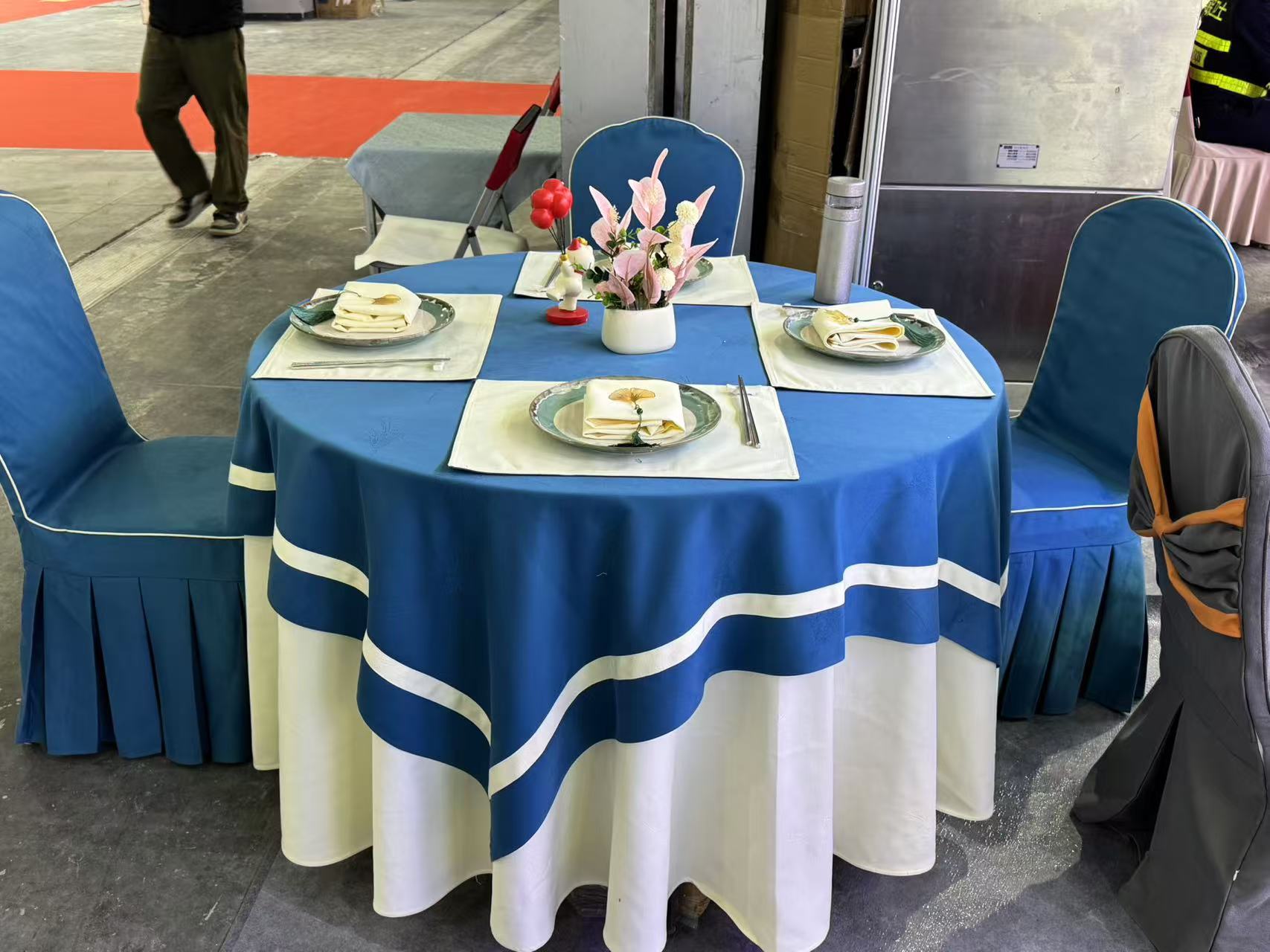
濟南作為旅游與商務(wù)重鎮(zhèn),酒店布草市場規(guī)模龐大,僅中恒商城就聚集了上百家布草供應(yīng)商,涵蓋高中低端全品類,適配星級酒店、快捷酒店、民宿等各類場景,山東開放大學(xué)崇德大廈等本地機構(gòu)的布草采購,也多來自濟南本地供應(yīng)商,單次采購金額可達200萬元以上。本地合規(guī)布草供應(yīng)商,會嚴格遵循酒店布草行業(yè)標準,每批產(chǎn)品都經(jīng)過色牢度、縮水率、透氣性檢測,色牢度達4級以上,縮水率控制在3%以內(nèi),遠超家用家紡的檢測標準,避免洗滌后掉色、縮水。
As a tourism and business hub, Jinan has a huge hotel linen market. Zhongheng Mall alone has gathered hundreds of linen suppliers, covering high, medium, and low-end categories, suitable for various scenarios such as star rated hotels, express hotels, and homestays. The procurement of linen by local institutions such as Shandong Open University Chongde Building also comes mostly from local suppliers in Jinan, with a single purchase amount of over 2 million yuan. Local compliant linen suppliers will strictly follow the hotel linen industry standards. Each batch of products undergoes color fastness, shrinkage rate, and breathability testing, with color fastness reaching level 4 or above and shrinkage rate controlled within 3%, far exceeding the testing standards for home textiles, to avoid color fading and shrinkage after washing.
除了床品,濟南酒店的毛巾、浴巾等布草也有嚴格規(guī)范。酒店毛巾克重≥400g/㎡,比家用毛巾重20%,吸水性提升40%,擦臉擦身不易掉毛,且經(jīng)過高溫消毒,細菌菌落總數(shù)≤200cfu/g,符合公共衛(wèi)生安全標準。浴袍則多采用純棉華夫格或絨布材質(zhì),兼顧吸水性與保暖性,適配酒店各類場景,洗完后依然柔軟挺括,不會變硬結(jié)塊。
In addition to bedding, Jinan hotels also have strict regulations for towels, bath towels, and other linens. The weight of hotel towels is ≥ 400g/㎡, which is 20% heavier than household towels, with a 40% increase in water absorption. It is not easy to shed hair when wiping the face and body, and has undergone high-temperature disinfection. The total bacterial count is ≤ 200cfu/g, which meets public health and safety standards. Bathrobes are often made of pure cotton waffle or velvet material, which balances water absorption and warmth, suitable for various hotel scenes. After washing, they remain soft and firm, without becoming hard or clumped.
總結(jié)來說,濟南酒店布草之所以耐洗、好睡,核心是“實用優(yōu)先”——150次耐洗標準、高密高克重面料、精準支撐的填充物,都是為了適配酒店高頻使用、嚴格消毒的需求,而家用家紡側(cè)重“個性化與柔軟感”,兩者定位截然不同。作為酒店的“第二張臉”,濟南酒店布草憑借過硬品質(zhì),既撐起了酒店的服務(wù)質(zhì)感,也讓不少人愛上了這份“酒店級睡眠”,如今也有越來越多家庭,開始選用酒店同款布草,兼顧耐用性與舒適感。
In summary, the core reason why Jinan hotel linen is washable and easy to sleep is "practicality first" -150 wash resistant standards, high-density and heavy-duty fabrics, and precise support fillers are all designed to meet the high-frequency use and strict disinfection needs of hotels, while home textiles focus on "individualization and softness", with completely different positioning. As the "second face" of hotels, Jinan hotel linen, with its excellent quality, not only enhances the service quality of hotels, but also makes many people fall in love with this "hotel level sleep". Nowadays, more and more families are choosing the same linen as hotels, balancing durability and comfort.
資訊推薦Information
聯(lián)系我們Information


生產(chǎn)酒店布草為主,生產(chǎn)臺布、椅子套、桌布、床尾巾,餐具用品為輔
電話:0531-85821210
QQ郵箱:1669684763@qq.com
聯(lián)系人:王經(jīng)理
電話:13006572145 13518618363
地址:濟南市天橋區(qū)鳳凰山路一號院內(nèi)
截屏,微信識別二維碼
微信號:13006572145 13518618363
 您當(dāng)前位置: